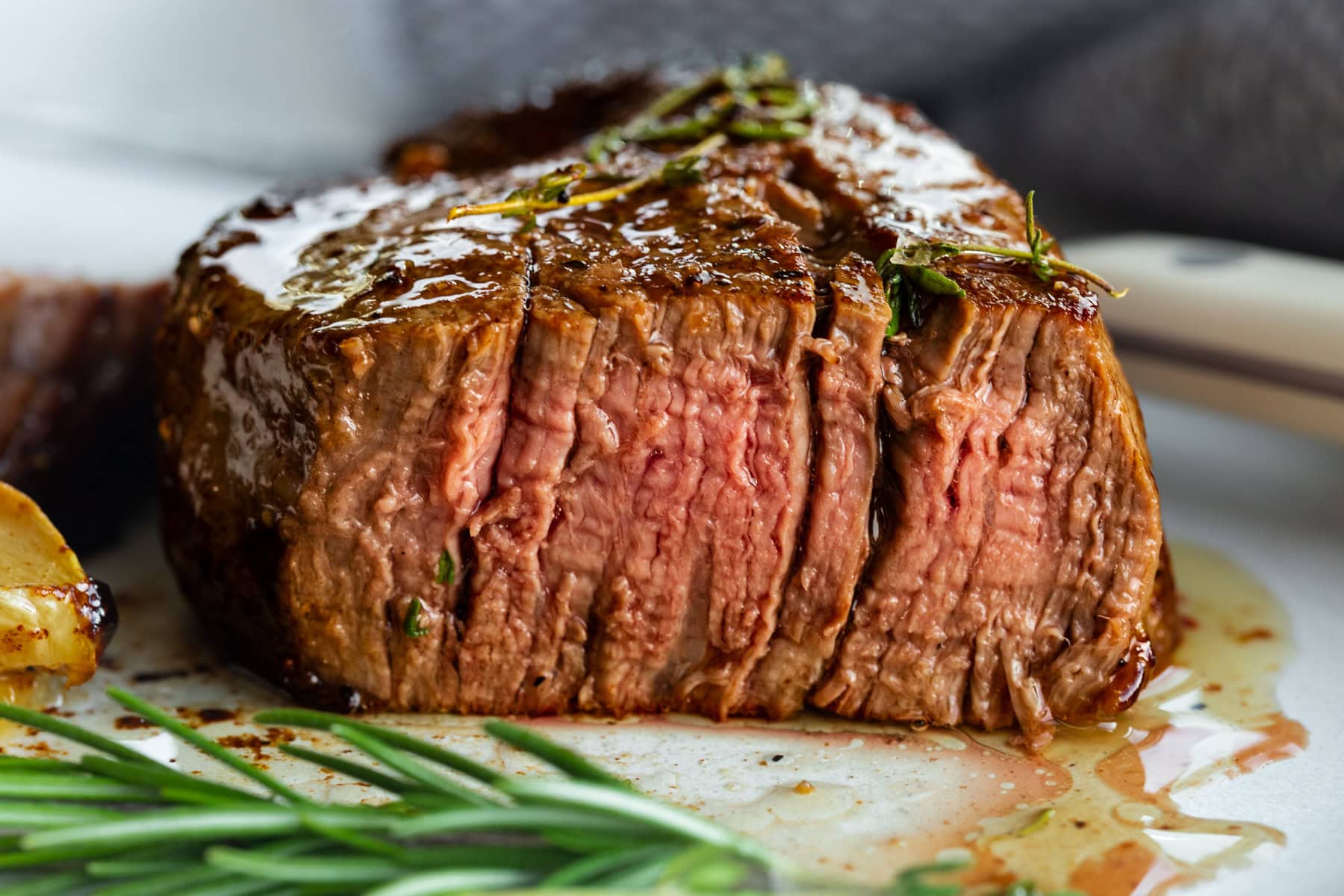
Unlock the Secrets to Perfect Filet Mignon: Best Cuts, Searing, & Seasoning
Often considered the pinnacle of luxury in the world of steaks, filet mignon carries a reputation for being both exquisite and intimidating to prepare. Its fancy French name and premium price tag might suggest a complex cooking process, but in reality, cooking a tender, juicy filet mignon at home is surprisingly straightforward. This guide will demystify the process, revealing how this prized cut of beef, famed for its unparalleled tenderness, is one of the easiest to master in your own kitchen.
The secret lies in understanding the nature of filet mignon itself: it comes from a part of the cow that sees very little use, making it exceptionally tender with minimal effort required from the cook. Forget elaborate techniques; with the right approach to selection, seasoning, and a classic searing method, you can achieve a restaurant-quality steak with a beautiful crust and a perfectly cooked interior, every single time.
Choosing Your Champion: Selecting the Best Filet Mignon Cut
The journey to a sublime filet mignon begins long before it hits the pan – it starts at the butcher counter. Filet mignon is cut from the tenderloin, a long, lean muscle running along the spine of the cow. Because this muscle is largely inactive, it remains incredibly soft and fine-grained, hence its coveted tenderness. Unlike other steaks, filet mignon has very little marbling (intramuscular fat), which contributes to its mild flavor and buttery texture rather than a rich, beefy taste.
When selecting your filets, keep these critical points in mind:
- Thickness Matters: Aim for filets that are approximately 1 ½ to 1 ¾ inches thick. This specific thickness is crucial for achieving that ideal balance: enough time on high heat to develop a rich, caramelized crust without overcooking the delicate interior. Thinner cuts risk overcooking before a proper sear can form, while excessively thick cuts might require more advanced techniques like reverse searing to cook evenly.
- Appearance: Look for a vibrant, deep red color with no grayish spots. While lean, the muscle fibers should look tightly packed and fine.
- Buying a Whole Tenderloin: For the adventurous home chef or if you're preparing multiple steaks, consider purchasing a whole beef tenderloin. Not only can this be more cost-effective, but it also allows you to cut your own steaks to a uniform thickness, ensuring consistent cooking results across the board. Don't hesitate to ask your butcher to trim and portion it for you; they're usually happy to assist.
Remember, the quality of your raw ingredient directly impacts the final dish. Invest in good quality filet mignon, and you’re already halfway to a spectacular meal.
The Art of the Sear: Mastering Tender Filet Mignon
The beauty of cooking filet mignon lies in its simplicity, primarily focusing on creating an exquisite crust while preserving its tender, juicy core. The most popular and effective method is the stove-to-oven technique, which guarantees a golden-brown exterior and a perfectly cooked interior. However, in warmer months, the grill offers an equally luxurious alternative.
Essential Preparation Steps:
- Pat Dry, Always: This is perhaps the most critical step. Moisture on the steak's surface prevents browning. Before seasoning, pat your filets super dry with paper towels. Any surface moisture will steam the steak instead of searing it, robbing you of that coveted crust.
- Season Simply, Season Smart: Filet mignon's delicate flavor shines with minimal seasoning. A generous sprinkle of coarse kosher salt and freshly ground black pepper on both sides is usually all it needs. Timing is key here: only season your steaks immediately before they hit the hot pan. If you season too early, the salt will begin to draw moisture out of the meat, compromising your sear.
- Room Temperature: For more even cooking, let your steaks sit out at room temperature for 30-60 minutes before cooking. This takes the chill off, helping the internal temperature rise more uniformly.
The Stove-to-Oven Method: Your Go-To for Perfection
This foolproof method ensures a beautiful sear and an evenly cooked interior:
- Preheat Oven & Skillet: Preheat your oven to a blazing 450°F (232°C). Place a heavy, oven-safe skillet (cast iron is ideal for its heat retention) on the stovetop over high heat. Let it get screaming hot.
- Add Oil: Once the pan is hot, add a tablespoon of high smoke point oil, such as avocado oil, grapeseed oil, or clarified butter. Swirl to coat the bottom.
- Sear for Crust: Carefully place the seasoned filets in the hot skillet. Sear undisturbed for 3 minutes per side. Resist the urge to move them! This intense, direct heat creates that desirable deep brown, flavorful crust through the Maillard reaction.
- Butter & Aromatics (Optional but Recommended): Once seared on both sides, reduce the stovetop heat to medium-low. Add a teaspoon of butter on top of each steak. For an extra layer of flavor, you can also add a clove of smashed garlic, a sprig of fresh rosemary, or thyme to the pan, and spoon the melted, herb-infused butter over the steaks for the last minute on the stovetop.
- Finish in the Oven: Transfer the skillet directly to the preheated 450°F oven. Cook for approximately 4-8 minutes, depending on your desired doneness and the steak's thickness.
- For medium-rare (130-135°F / 54-57°C internal temperature), aim for 4-6 minutes.
- For medium (135-140°F / 57-60°C internal temperature), aim for 6-8 minutes.
- The Crucial Rest: This step is non-negotiable! Once your steaks reach the desired internal temperature, remove them from the oven and transfer them to a cutting board. Tent them loosely with foil and let them rest for at least 5-10 minutes. Resting allows the juices, which have been driven to the center by the heat, to redistribute throughout the meat, resulting in a significantly juicier steak. Skipping this step leads to dry, tough meat.
Beyond the Pan: Grilling and Perfect Pairings
While the stove-to-oven method is a year-round champion, don't shy away from cooking filet mignon on the grill, especially during warmer months. The direct heat of a grill imparts a wonderful smoky char that complements the tender beef. Employ similar principles: high heat for searing, then move to a cooler zone of the grill (or indirect heat) to finish cooking to your desired doneness.
Serving Suggestions and Flavor Enhancements:
Filet mignon, while magnificent on its own, truly shines when paired with complementary sides and sauces:
- Classic Sides: Rich and creamy Parmesan Mashed Potatoes are a timeless pairing. Other excellent choices include roasted asparagus, creamed spinach, or crispy Brussels sprouts.
- Fresh Salads: To cut through the richness, a vibrant salad works wonders. Consider a Frisee, Radicchio, and Escarole Salad with Citrus Dressing, or a refreshing Tomato, Red Onion, Watercress, Feta, and Olive Salad.
- Sauces and Butters: Elevate your filet with a simple pan sauce made from the deglazed skillet drippings, a classic Béarnaise, or a peppercorn sauce. A pat of herbed compound butter (garlic-herb, blue cheese, or truffle butter) melting over the hot steak just before serving adds an incredible depth of flavor and luxurious finish.
Conclusion
Cooking the perfect filet mignon at home isn't just achievable; it's a deeply rewarding culinary experience. By understanding the optimal cut, respecting the essential steps of preparation and searing, and allowing your steak to rest properly, you can consistently create a tender, juicy, and utterly delicious meal that rivals any high-end restaurant. It’s significantly more affordable to prepare this special occasion steak yourself, offering a true taste of luxury without the hefty price tag. So, confidently choose your cut, heat that pan, and prepare to impress yourself and your guests with a perfectly cooked filet mignon. Mastering this beloved steak is truly within reach for any home cook, transforming an "intimidating" cut into an easy filet mignon triumph.
