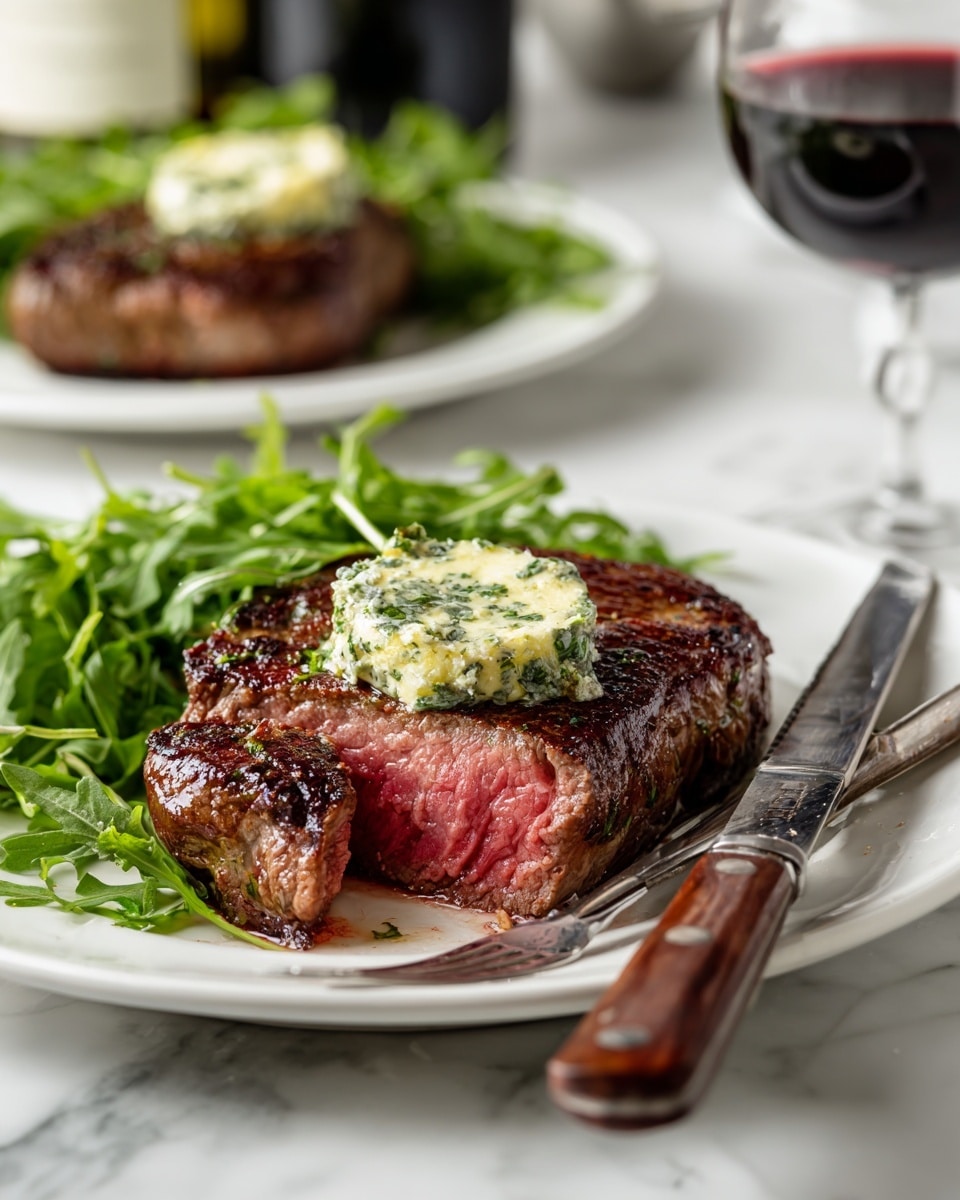
Easy Filet Mignon: Master Tender, Juicy Steak at Home
Filet mignon. The name itself conjures images of white tablecloths, hushed dining rooms, and a price tag that often makes you wince. This reputation has led many home cooks to believe that this luxurious cut of beef is best left to professional chefs. But what if we told you that mastering tender, juicy
filet mignon at home is not only achievable but surprisingly straightforward? Far from being an intimidating culinary challenge, this exquisite steak is actually one of the easiest to cook perfectly, offering a gourmet experience without the exorbitant restaurant cost or stress.
The secret lies in understanding what makes
filet mignon so special: its inherent tenderness. Sourced from the tenderloin, a muscle that sees very little use, it boasts an incredibly fine texture and buttery softness that requires minimal intervention to shine. This guide will empower you to confidently cook a restaurant-quality
filet mignon, complete with a beautiful crust and a perfectly pink, succulent interior, right in your own kitchen.
Why Filet Mignon is the Home Cook's Secret Weapon
Despite its fancy French name and high-end reputation,
filet mignon is a gift to the home cook. Its unparalleled tenderness means that "less is more" truly applies when preparing it. You don't need complicated marinades or elaborate techniques to coax out its flavor; simple seasoning and proper cooking methods are all that's required. This ease of preparation, combined with the sheer delight of eating such a premium cut, makes it an ideal choice for special occasions or when you simply want to treat yourself.
Beyond the culinary simplicity, there's a significant financial incentive. While an 8-ounce
filet mignon might set you back upwards of $65 at a high-end restaurant, preparing it at home can dramatically cut that cost, often by two-thirds or more, without compromising on quality. Imagine enjoying a steakhouse-worthy meal for a fraction of the price – that's the magic of cooking
filet mignon yourself. It's an investment that pays dividends in both culinary satisfaction and savings.
Choosing Your Perfect Filet Mignon: Quality & Thickness Matter
The journey to a perfect homemade
filet mignon begins at the butcher or meat counter. As mentioned,
filet mignon comes from the tenderloin, a specific part of the cow renowned for its softness. It's a relatively lean cut, meaning it has less marbling (interspersed fat) compared to other steaks like ribeye, but this doesn't detract from its tenderness. In fact, its leanness often contributes to its delicate, melt-in-your-mouth texture.
When selecting your steaks, thickness is paramount. Aim for filets that are approximately 1 ½ to 1 ¾ inches thick. This specific measurement is crucial because it allows enough time for a beautiful, golden-brown crust to form on the exterior without overcooking the delicate interior. Thinner cuts, while tempting, run the risk of becoming well-done before the outside has a chance to properly caramelize and develop that coveted sear. If you do end up with thinner filets, adjust your cooking method by focusing solely on a pan-sear and skipping the oven finish to prevent overcooking.
For those who frequently enjoy
filet mignon or are cooking for a larger group, consider purchasing a whole tenderloin. This allows you to cut your own steaks to precise, uniform thicknesses, ensuring consistent results across all your servings, and can often be more cost-effective. If buying from a butcher, don't hesitate to ask them to cut the filets to your desired thickness – they are usually happy to oblige. To delve deeper into selecting the ideal cut and preparation techniques, read our detailed guide on how to
Cook Tender Filet Mignon: Best Cuts, Searing, & Seasoning.
The Stove-to-Oven Method: Unlocking Perfect Filet Mignon Every Time
The most reliable and popular method for cooking
filet mignon at home is the stove-to-oven technique. This approach guarantees a phenomenal crust developed in a screaming hot pan, followed by a gentle finish in the oven to achieve an evenly cooked, juicy interior. No grill is required, making this a go-to method for any time of year.
Essential Prep Steps for Success:
- Bring to Room Temperature: For even cooking, remove your filets from the refrigerator about 30-45 minutes before you plan to cook them. This allows the steak to relax slightly and cook more uniformly.
- Pat Them Super Dry: This step cannot be overstated. Moisture on the surface of your steak is the enemy of a good sear. Use paper towels to thoroughly pat both sides of your filets until they are completely dry. This ensures that the heat energy is used to caramelize the meat, not evaporate water.
- Season Just Before Cooking: Season generously with coarse kosher salt and freshly ground black pepper on both sides. Avoid seasoning too far in advance, as salt can draw moisture out of the meat, creating a damp surface that hinders searing.
Step-by-Step Cooking Instructions:
- Preheat the Oven: Begin by preheating your oven to a scorching 450°F (232°C). This high temperature is crucial for the quick, gentle finish your steak needs.
- Heat Your Skillet: Place a large, heavy-bottomed skillet (cast iron is ideal for its heat retention) over high heat. Let it get very hot – you want to see a wisp of smoke or a drop of water evaporate instantly. Add 1 tablespoon of a high-smoke-point oil, such as olive oil, avocado oil, or grapeseed oil, to the hot pan.
- Sear the Steaks: Carefully place your seasoned filet mignon into the hot oil. Sear aggressively for 3 minutes per side. The goal here is to create a deep, golden-brown crust, packed with flavor. Avoid moving the steaks during this searing time; let the magic happen.
- Add Butter and Transfer to Oven: Once both sides are beautifully seared, reduce the heat slightly if needed. Place a teaspoon of unsalted butter on top of each steak. If desired, you can also add a sprig of fresh rosemary or thyme and a crushed garlic clove to the pan for aromatic basting. Immediately transfer the entire skillet (handle and all) to the preheated oven.
- Oven Finish for Perfect Doneness:
- For Rare (125-130°F / 52-54°C): Cook for approximately 4-6 minutes.
- For Medium-Rare (130-135°F / 54-57°C): Cook for approximately 6-8 minutes.
- For Medium (135-140°F / 57-60°C): Cook for approximately 8-10 minutes.
*Remember that cooking times are approximate and can vary based on steak thickness and oven calibration. An instant-read thermometer is your best friend here! Remove the steak from the oven a few degrees below your target temperature, as it will continue to cook as it rests.*
- Rest, Rest, Rest! This is perhaps the most critical step you can't skip. Once your steaks reach your desired doneness, remove the skillet from the oven and transfer the filets to a cutting board. Tent loosely with foil and let them rest for at least 5-10 minutes. This allows the juices, which have been pushed to the center during cooking, to redistribute throughout the meat, resulting in an incredibly tender and juicy steak. Slicing too early will cause those precious juices to run out onto your board.
For a visual breakdown and more in-depth tips on this technique, check out our article on how to
Unlock Perfect Filet Mignon: Simple Stove-to-Oven Method. If grilling is more your style, especially in the warmer months,
filet mignon also shines on the grates, offering a smoky char that complements its rich flavor beautifully.
Elevate Your Plate: Serving Suggestions for Filet Mignon
With a perfectly cooked
filet mignon as your centerpiece, you'll want sides that complement its elegance without overpowering it. Classic pairings are often the best, focusing on fresh flavors and comforting textures.
Consider serving your steak with:
- Creamy Parmesan Mashed Potatoes: A timeless combination that provides a rich, comforting contrast to the lean steak.
- A vibrant, peppery salad: Think a mix of Frisee, Radicchio, and Escarole Salad with a bright Citrus Dressing to cut through the richness of the beef.
- A refreshing, Mediterranean-inspired side: A salad featuring Tomato, Red Onion, Watercress, Feta, and Olives offers a delightful burst of flavor and texture.
- Roasted Asparagus or Green Beans: Simple, elegant, and healthy additions.
- A classic red wine pan sauce: Deglaze the pan with a splash of red wine, a little beef broth, and a knob of butter for an instant gourmet sauce.
Pair your masterpiece with a robust red wine like a Cabernet Sauvignon or Merlot to complete the fine dining experience at home.
Cooking a tender, juicy
filet mignon at home is a culinary triumph that's well within reach for any aspiring home chef. By understanding the nature of this premium cut, selecting the right thickness, and employing the simple yet effective stove-to-oven method, you can consistently achieve results that rival the most expensive steakhouses. The satisfaction of slicing into a perfectly seared steak, revealing a succulent, rosy interior, is truly unmatched. So go ahead, embrace the ease and elegance of
filet mignon and transform your home dining into an unforgettable gourmet experience.