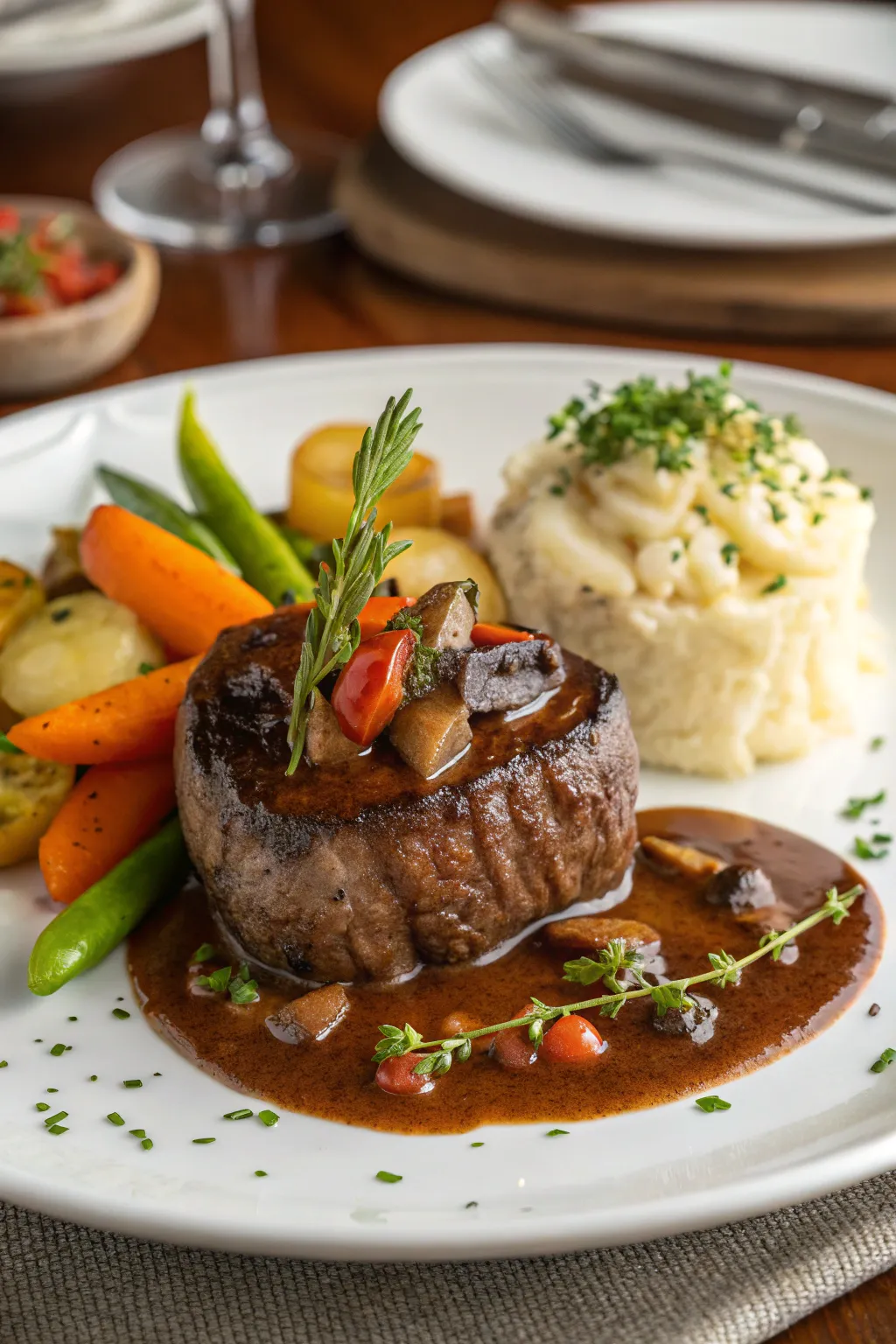
Unlock Perfect Filet Mignon: Simple Stove-to-Oven Method
For many, the mention of
filet mignon conjures images of white tablecloths, hushed dining rooms, and a formidable price tag. This prime cut of beef, with its sophisticated French name, often intimidates home cooks. However, the truth is delightfully simple:
filet mignon is one of the easiest steaks to cook to perfection right in your own kitchen. Its inherent tenderness means it thrives on minimal intervention, allowing its natural, delicate flavor to shine. This guide will demystify the process, revealing how a simple stove-to-oven method can yield a restaurant-quality, tender, and juicy steak with a beautifully seared crust, every single time. Forget the grill (unless it's summer!) or fancy equipment – all you need is a hot pan, an oven, and the right approach to master this luxurious cut.
The Allure of Filet Mignon: Why It's Worth It
Why is
filet mignon so highly prized? It originates from the tenderloin, a specific muscle deep within the cow that sees very little use. This lack of exertion is precisely what makes it extraordinarily tender – hence the "tenderloin" moniker. Despite its premium price, it’s remarkably lean, containing less fat than many other steak cuts, yet it retains an unparalleled softness and buttery texture.
The misconception that
filet mignon is an "intimidating" or "special occasion only" cut often leads people to believe it's too difficult to cook at home. This couldn't be further from the truth. While an 8-ounce portion might cost upwards of $65 at a high-end restaurant, preparing it yourself significantly reduces the expense, making that special occasion (or any weeknight!) much more accessible. Mastering this steak at home is not only a culinary triumph but also a savvy financial move, delivering a gourmet experience without the exorbitant cost.
Choosing Your Perfect Filet Mignon
The journey to a perfect steak begins at the butcher counter. When selecting your
filet mignon, thickness is paramount. Aim for steaks that are approximately 1 ½ to 1 ¾ inches thick. This optimal thickness ensures you have enough time to develop a deep, golden-brown crust during the searing process without overcooking the delicate interior. Thinner cuts are more prone to cooking through too quickly, preventing that coveted caramelized exterior from forming properly. If you do find yourself with thinner filets, a quick pan-sear is often sufficient, skipping the oven altogether to prevent dryness.
While it might seem daunting, consider buying a whole beef tenderloin and cutting your own filets. This not only offers potential cost savings but also guarantees uniform thickness, which is crucial for even cooking, especially when preparing multiple steaks. If you prefer to have your butcher do the work, simply request cuts of this ideal thickness. Remember, the beauty of
filet mignon lies in its natural tenderness, so selecting a quality cut is a vital first step. For more insights on selecting and preparing the best cuts, explore our guide on
Cook Tender Filet Mignon: Best Cuts, Searing, & Seasoning.
Prepping for Perfection: Seasoning and Techniques
Preparation is just as crucial as the cooking itself. The goal is to achieve a magnificent crust, and moisture is the enemy of a good sear.
*
Pat it Dry: Before doing anything else, pat your
filet mignon steaks thoroughly dry with paper towels. Remove as much surface moisture as possible. This critical step ensures that when the steak hits the hot pan, it sears immediately rather than steaming.
*
Season Simply, Season Smart: Given the exquisite natural flavor of
filet mignon, less is often more. A generous sprinkle of coarse kosher salt and a fresh grind of black pepper on both sides is usually all you need. The key is to season *just before* you're ready to cook. Salting the meat too early can draw moisture to the surface, counteracting your efforts to pat it dry and hindering that beautiful crust development.
*
Room Temperature: For more even cooking, allow your steaks to come closer to room temperature for about 30-60 minutes before cooking. This helps prevent the outer edges from overcooking while the center remains cool.
While some prefer to experiment with garlic powder or other herbs, for your first perfect
filet mignon, trust the simplicity. The tenderness and natural beef flavor are the stars here.
The Stove-to-Oven Method: Step-by-Step Mastery
This method combines the intense heat of the stovetop with the even, gentle heat of the oven, creating a steak that’s perfectly seared on the outside and uniformly cooked to your desired doneness within.
1.
Preheat Your Oven and Pan: Preheat your oven to 450°F (230°C). While the oven preheats, place a heavy, oven-safe skillet – cast iron is ideal for its heat retention – on your stovetop over high heat for 3-5 minutes until it's smoking slightly. This ensures a searing hot surface.
2.
Add Fat and Sear: Add 1 tablespoon of high smoke point oil (like olive, grapeseed, or avocado oil) to the hot pan. Once the oil shimmers and begins to smoke, carefully place your dried, seasoned
filet mignon steaks into the skillet. Do not overcrowd the pan; cook in batches if necessary. Sear undisturbed for 3 minutes per side until a deep, golden-brown crust forms.
3.
Enrich with Butter: After searing both sides, reduce the stovetop heat to medium. Add 1-2 tablespoons of unsalted butter, a few sprigs of fresh rosemary or thyme, and a smashed garlic clove to the pan. Tilt the pan slightly and, using a spoon, baste the melting butter over the steaks for about 30-60 seconds, allowing the aromatics to infuse the butter and coat the steak.
4.
Transfer to Oven: Immediately transfer the skillet (with the steaks, butter, and aromatics) to the preheated 450°F oven.
5.
Finish Cooking: Cook for an additional 3-6 minutes, depending on your desired doneness and the steak's thickness. Use an instant-read meat thermometer for precision:
*
Rare: 120-125°F (49-52°C)
*
Medium-Rare: 130-135°F (54-57°C) – *Often considered ideal for filet mignon*
*
Medium: 135-140°F (57-60°C)
* *Remember, the temperature will rise by 5-10 degrees during resting.*
6.
Rest, Rest, Rest!: This is arguably the most crucial step for a juicy steak. Once your
filet mignon reaches its desired internal temperature, remove the skillet from the oven and transfer the steaks to a cutting board. Tent them loosely with foil and let them rest for at least 5-10 minutes. This allows the muscle fibers to relax and the juices to redistribute throughout the steak, ensuring every bite is succulent. Slicing too early will result in a dry steak with all the delicious juices running onto your board.
For a deeper dive into mastering the perfect tender and juicy steak at home, including specific timing and techniques, check out our comprehensive guide:
Easy Filet Mignon: Master Tender, Juicy Steak at Home.
Elevate Your Filet Mignon Experience: Serving Suggestions & Tips
A perfectly cooked
filet mignon is a showstopper on its own, but pairing it with complementary sides can elevate the entire dining experience.
*
Classic Pairings: Rich, creamy sides like Parmesan Mashed Potatoes, Creamed Spinach, or a silky Potato Gratin are traditional and always welcome.
*
Fresh and Bright: To cut through the richness, consider a vibrant salad. A Frisee, Radicchio, and Escarole Salad with a bright Citrus Dressing, or a simple Tomato, Red Onion, Watercress, Feta, and Olive Salad, provides a refreshing contrast. Roasted asparagus or green beans with a lemon zest are also excellent choices.
*
Sauces: While the natural flavor of a perfectly cooked
filet mignon is fantastic, a simple pan sauce made from deglazing the skillet with a splash of red wine or beef broth can add another layer of flavor. A classic béarnaise or peppercorn sauce also complements the steak beautifully.
*
Wine Pairing: A robust red wine such as a Cabernet Sauvignon, Merlot, or Pinot Noir makes an exquisite pairing, enhancing the rich flavors of the beef.
*
Don't Forget the Salt: A final sprinkle of flaky sea salt (like Maldon) just before serving can add a wonderful textural crunch and burst of flavor.
Remember, the goal is to enhance, not overpower, the delicate taste of the
filet mignon.
In conclusion, the seemingly intimidating
filet mignon is, in fact, one of the most rewarding and straightforward cuts to prepare at home. By following this simple stove-to-oven method, you can confidently achieve a steak that boasts a magnificent sear, a tender, juicy interior, and a flavor profile that rivals any high-end restaurant. From selecting the right thickness to the crucial resting period, each step plays a vital role in unlocking the true potential of this luxurious beef. So, shed the intimidation, embrace the process, and prepare to impress yourself and your guests with a truly perfect
filet mignon – gourmet dining made easy, right in your own kitchen.